Apple
Mild and faintly sweet. Very forgiving — hard to oversmoke with it.
Mild
Pork · Chicken · Ham · Cheese
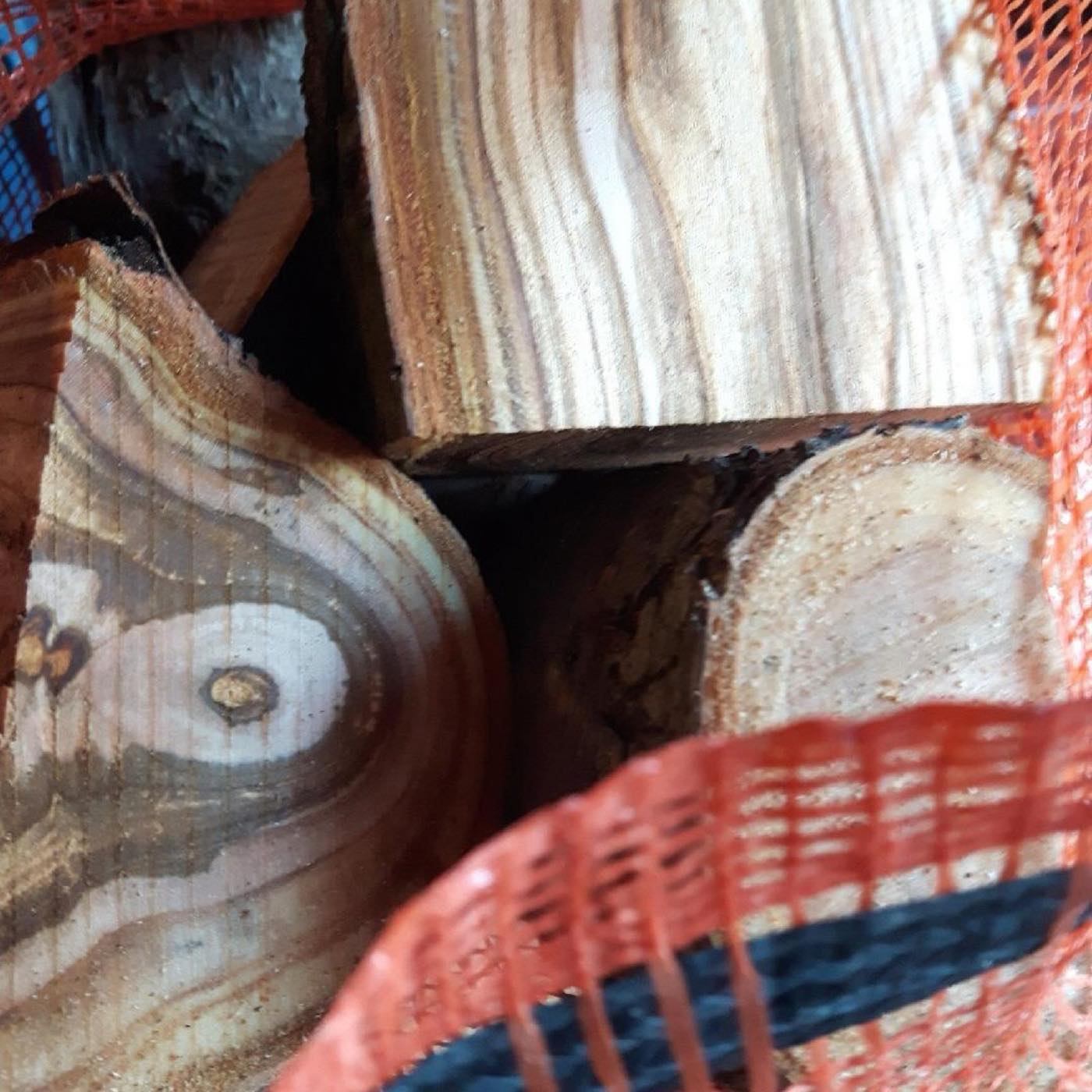
The wood guide
Seven hardwoods, from mild to strong, with what each one suits. Every species below is available by the bag, and most by the face cord.
Mild and faintly sweet. Very forgiving — hard to oversmoke with it.
Mild, slightly sweet, and it colours the bark a deep mahogany red.
Gentle and a touch sweet. Plays well blended with a stronger wood.
Clean and nutty without much sweetness. A quiet all-rounder.
The classic middle-of-the-road smoke. Steady heat, no sharp edges.
Dense and long-burning with a clean smoke. Built for all-day cooks.
Strong and bacon-like. Use it on its own with a light hand, or cut it with fruit wood.
Rules of thumb
Chicken and fish take on smoke fast, so they suit mild woods — apple, cherry, maple, beech. Beef and pork shoulder cook for hours and can carry oak or hickory without being buried by it. If you are unsure, go milder: you can always add another chunk, but you cannot take smoke back out.
A lot of good cooks run two woods at once — hickory for backbone and apple or cherry for sweetness and colour. Because our bags are single species, you can mix your own ratio instead of accepting someone else's.
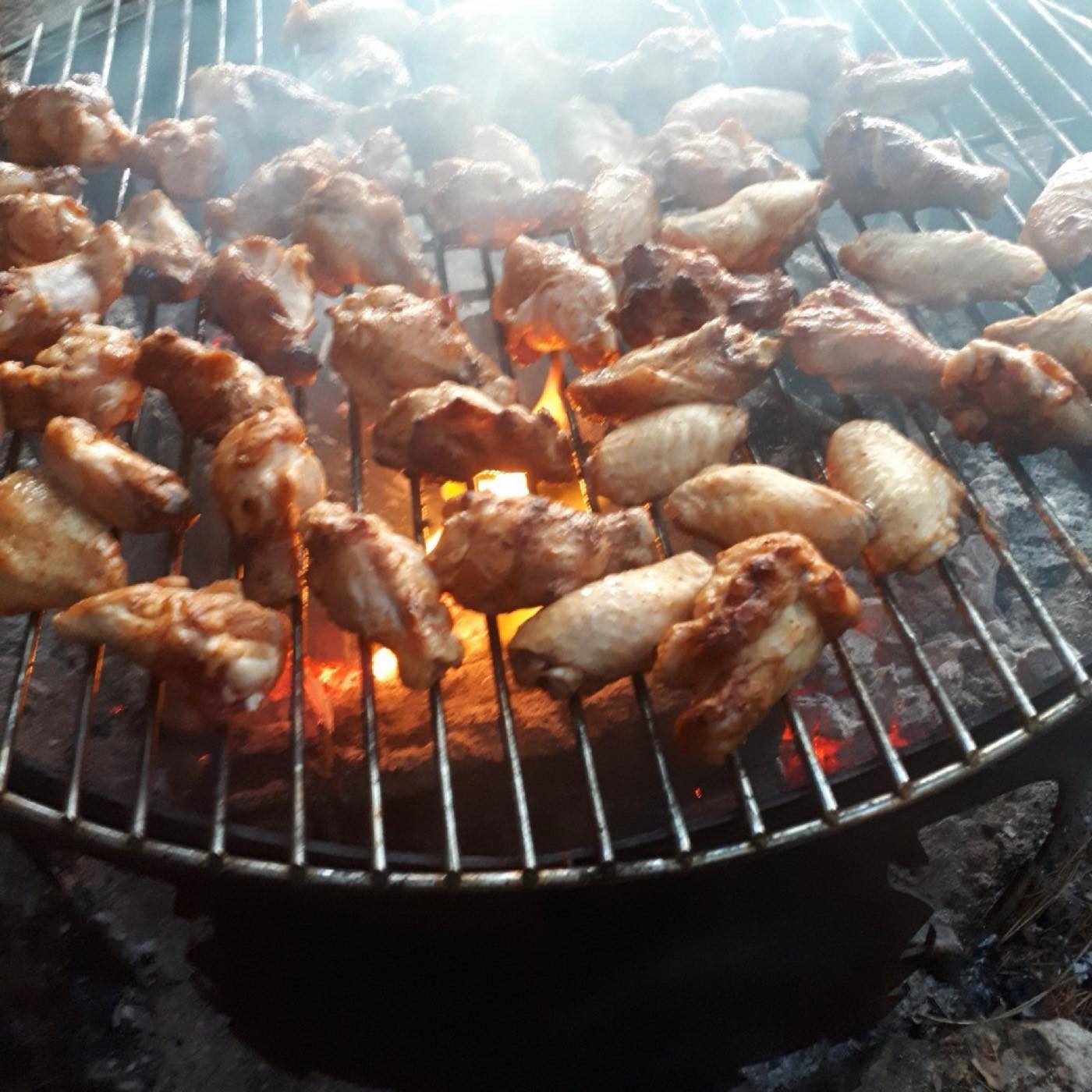
Billowing white smoke means the wood is wet or the fire is starved of air, and it tastes acrid. What you want is smoke you can barely see. Dry, well-seasoned wood is most of the way to getting there — which is why ours is stored indoors through the winter and spring.
If charcoal is making your heat, use 3"–4" chunks for flavour. If the wood is your heat source, use 12" splits — wrist-size if you want fewer reloads on a long cook.
Quick answers
Matt has been cutting and burning this wood for years. Tell him what you are cooking and he will point you at the right bag.